

From a Google Image Search – MPR News
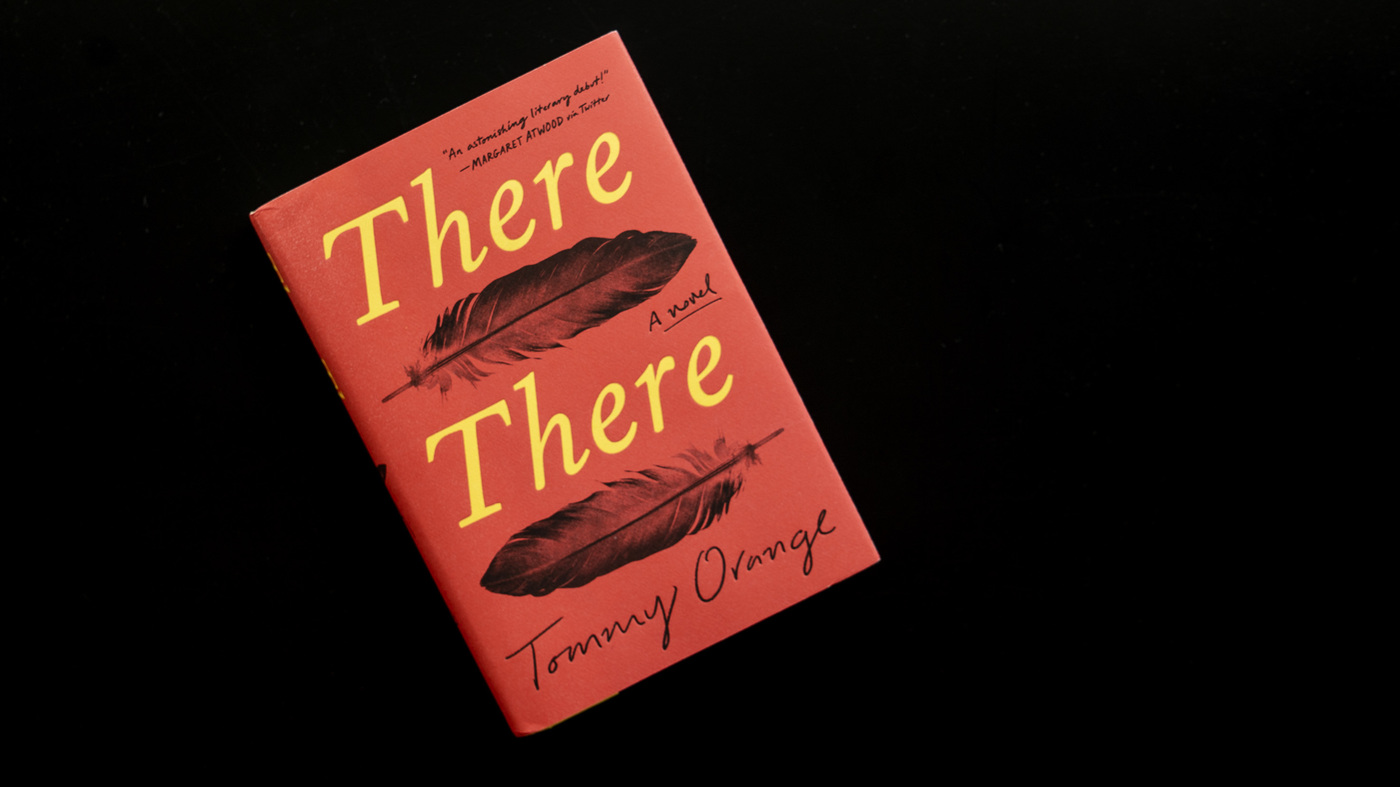
Tommy Orange continues the story of the Red Feather and Bear Shield offspring from his book There There in his new novel Wandering Stars. We have already learned of the Trail of Tears from history class (maybe). We are removed in time from these sorrowful events, but we still bear the shame of our ancestors’ cruelties. Jude Star’s story opens the novel as the most distant traceable ancestor of the children in this story.
We are reminded that wars are always cruel and colonial wars are even crueler because they will always erase or reduce the powers of one party or the other. Jude Star ends up in a prison-castle in Florida from which he eventually escapes. Jude and Hannah Star’s son Charles Star and Opal Bear Shield have a daughter, Victoria Bear Shield. From one partner Victoria gives us Opal Viola Victoria Bear Shield, and from another partner Victoria gives up Jacquie Red Feather, the grandmother of the four children in the Red Feather clan who are being cared for by Opal Viola Victoria Bear Shield who is not their grandmother but who shares a mother with Jacquie.
Orvil, our focal character, has recovered from being shot by a terrorist. This happened the first time he went to a Native American celebration where he danced in public. Of course, even when you physically recover from a near-death experience, your spirit may not heal. It could take time, or it could be psychologically fatal.
Jude Star is the name chosen for Orvil’s ancestor when he is imprisoned in Florida and attempts are made to force former member of tribes to “assimilate” and forget their traditional lifestyles and beliefs. The Star men are wanderers who cannot find their place in an America captured by white folks, white folks who cannot see a way to live beside the people they fought with over this land.
Opal, who now heads Orvil’s family, has changed the fate of the Star offspring. She has purchased a house in Oakdale, California where Orvil, Loother, and Lony can find some stability as a created family. The grandmother Jacquie lives nearby and helps when she can. Opal pays tuition to send Orvil to a good school. The family is about to learn that stability is always in danger from outside forces over which they have little control. Orvil needs pain meds. He is on opioids for pain but when they are no longer prescribed, he must find other sources. He is addicted. This leads the whole fragile little family down a sad path that makes it hard to believe that even the best of intentions can turn some lives around.
Things turn out better than you might ever think, but the family loses its nascent cohesiveness. Colonialism has consequences and Tommy Orange wants us to know that.
Tommy Orange’s books have a historical and cultural significance quite apart from their literary bona fides. They are authentic expressions of a person and a people trying to preserve their culture whose values were expressed by the way they lived lightly on the earth and by rich spiritual traditions. Placed alongside the materialism and power struggles of a culture that is so antithetical to the lived beliefs of America’s indigenous people the contrasts and challenges are clearly exposed in Orange’s novels. Here is a young voice we don’t often hear from illuminating the torn souls of a proud people or set of people with much to offer, especially the way to live lightly on the earth part.
 So Many Books, Choose Wisely